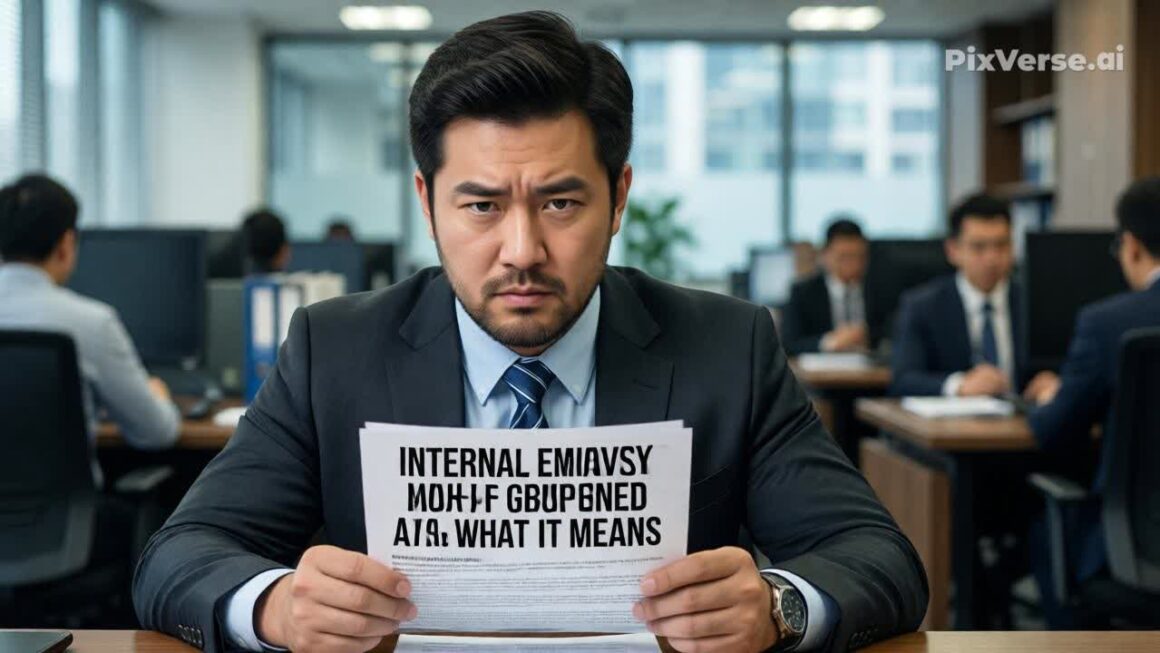
Confidential Corporate Message Leak Sparks Employee Concern and Trust Issues
The sudden exposure of internal corporate communications has sent ripples through the organization, triggering widespread employee concern about privacy, accountability, and the future of workplace transparency. The confidential message leak, reportedly involving executive-level correspondence, has cast new light on the company’s governance practices and its ability to safeguard sensitive data. As teams struggle to comprehend the scope of the breach, questions about ethical leadership, digital security, and organizational culture continue to multiply.
Nature of the Leak and Immediate Fallout
The confidential data leak appears to have originated from a compromised internal communication platform, allowing private messages between executives and department heads to circulate publicly. These messages included strategic plans, personnel evaluations, and candid exchanges about future mergers. The immediate fallout has included heightened scrutiny from both employees and external stakeholders, demanding explanations about how the breach occurred and what corrective measures will be taken. The event underscores the vulnerabilities inherent in digital communication ecosystems, even within organizations that prioritize cybersecurity investments.
Employee Reactions and Trust Erosion
Employees across departments have voiced unease regarding the implications of this leak. Many fear that personal performance evaluations, internal discussions about promotions, or candid feedback might also have been compromised. Trust, a cornerstone of collaborative work culture, has eroded quickly. Some team members express hesitation in using company communication tools, turning instead to personal devices or encrypted messaging alternatives for safety. Such behavioral shifts, while understandable, raise compliance and data protection concerns, further complicating the company’s internal recovery efforts.
Impact on Organizational Culture
For years, corporate leaders have promoted transparency, open dialogue, and cross-functional collaboration. However, the exposure of private messages that included unfiltered executive commentary has contradicted the organization’s professed values. Employees reading those exchanges now interpret some strategic decisions differently, leading to feelings of alienation or betrayal. This disconnect has contributed to a tense workplace environment where individuals second-guess leadership intent. Cultural repair, once an abstract goal, has become an immediate necessity, requiring deliberate communication strategies and visible accountability from top management.
Leadership Accountability and Communication Strategy
Executives now face the delicate challenge of balancing honesty with damage control. Post-leak communications must acknowledge employee emotions without implicating ongoing legal investigations. Experts recommend transparent, empathetic messaging that recognizes mistakes and clearly outlines remedial actions. This includes hosting open forums, publishing detailed cybersecurity recovery plans, and reaffirming ethical standards through internal training. Without visible accountability, employees are unlikely to rebuild trust, leaving morale issues to fester and productivity to decline.
Cybersecurity Implications and Preventive Measures
This incident highlights how even robust IT infrastructures can falter under human error, weak authentication protocols, or insider threats. A detailed post-mortem review has become standard practice, encompassing penetration testing, message encryption audits, and employee access reviews. Implementing two-factor authentication and continuous system monitoring helps identify unusual login activity. Additionally, a zero-trust architecture can minimize exposure by compartmentalizing access to data segments. Cybersecurity training tailored to each department’s workflow reinforces awareness about phishing, social engineering, and device management policies.
Legal and Ethical Dimensions
The confidential leak may expose the company to legal challenges if it violated privacy agreements or data protection regulations such as the GDPR or CCPA. Corporate lawyers emphasize the need for immediate containment, evidence preservation, and external cybersecurity forensics. Beyond regulatory compliance, ethical responsibility to employees and clients must guide the organization’s response. Ethical lapses, intentional or accidental, can inflict reputational damage far greater than any financial penalty. Companies that ignore these dimensions risk losing not only market credibility but also the goodwill of their internal communities.
Psychological and Workplace Dynamics
The psychological impact of such incidents extends beyond data exposure. Employees may experience anxiety regarding professional relationships, fearing their candid internal opinions could now be publicly accessible. Team leaders must adopt supportive management techniques to alleviate stress and encourage empathy-driven communication. Workshops focusing on emotional intelligence, interdepartmental trust-building, and resilience can reestablish a sense of safety. The human factor—often underestimated in crisis management—plays a decisive role in how effectively organizations recover from breaches.
Role of Human Resources and Internal Affairs
Human Resources departments are central to mitigating the trust deficit. HR leaders must collaborate with IT and legal divisions to craft a unified response plan. This includes confidential counseling sessions, anonymous feedback channels, and transparent policy updates. Internal Affairs investigations should remain impartial and data-driven, distinguishing between systemic vulnerabilities and individual negligence. Clear communication that no retaliatory actions will follow honest reporting is vital to restore psychological safety and reinforce ethical compliance.
Media Coverage and Public Perception
Media outlets have seized upon the scandal, framing it as emblematic of the growing intersection between technology and corporate ethics. Public narratives influence internal morale, as employees feel stigmatized by external speculation. To balance perception, the communications team must control the narrative with factual updates, preventing misinformation from dominating discourse. Consistent key messaging across press releases, social media, and shareholder announcements demonstrates corporate stability and integrity during crisis management. Each communication should reinforce transparency and commitment to reform without compromising ongoing investigations.
Lessons for Corporate Governance
The incident serves as a case study on the importance of integrating cybersecurity governance with internal culture management. Corporate boards must ensure risk oversight extends beyond compliance checklists to include psychological safety and ethical clarity. Proactive governance frameworks—regular security audits, ethical oversight committees, and executive accountability scorecards—can prevent future breaches. When internal ethics align with technological safeguards, organizations cultivate resilience that transcends isolated crises. This alignment transforms reactive crisis management into proactive reputation protection, ensuring sustainable trust in corporate ecosystems.