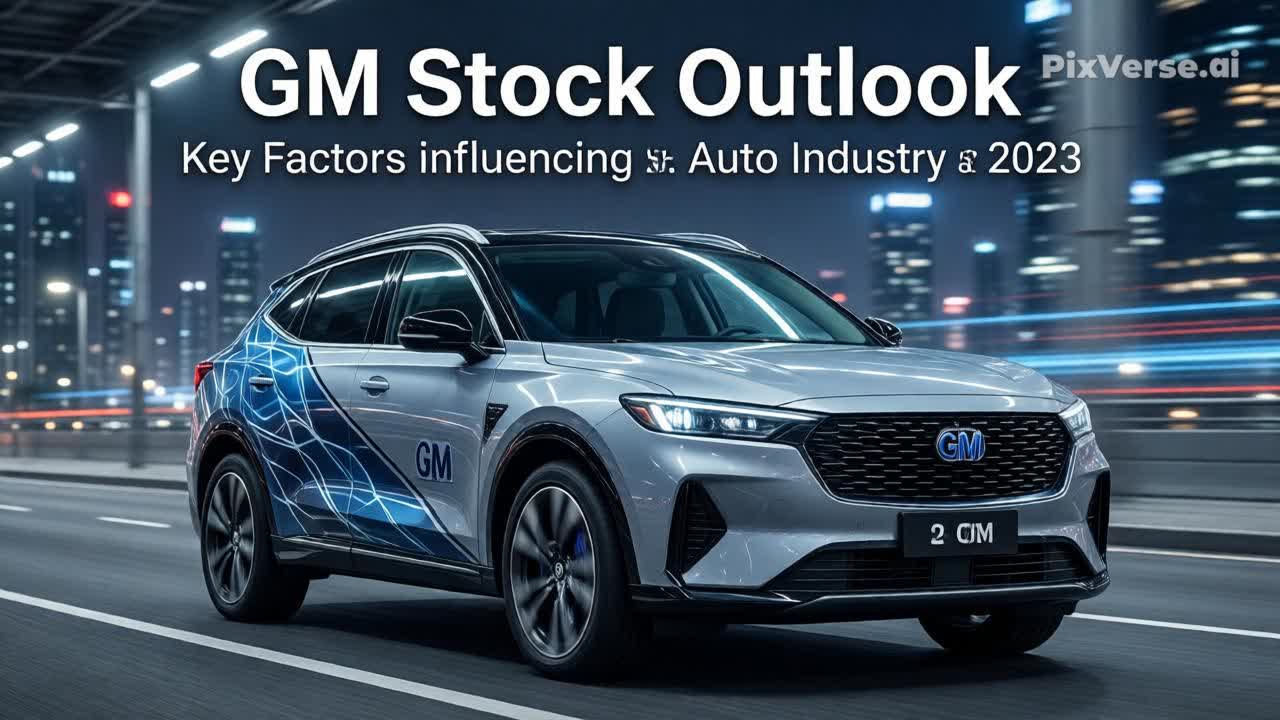
GM Stock Outlook: Key Factors Influencing the Auto Industry in 2023
Electric Vehicle (EV) Transition
As the global auto industry shifts toward electric mobility, GM is strategically positioning itself to be a leader in the EV market. The company has committed to a transition to an all-electric future, pledging to produce 30 new electric vehicles by 2025. This major pivot is part of GM’s long-term vision to phase out internal combustion engines by 2035. Investors closely watch GM’s ability to innovate in this space. The success of models like the Chevrolet Bolt and upcoming releases, such as the Cadillac Lyriq and Hummer EV, are critical benchmarks for the stock outlook.
Supply Chain Resilience
The automotive supply chain has faced unprecedented challenges due to the COVID-19 pandemic, including semiconductor shortages that plagued manufacturers worldwide. GM has made concerted efforts to enhance supply chain resilience by diversifying its supplier base and investing in domestic semiconductor production. Developments in mitigating these constraints directly affect production capacity and consumer delivery timelines, which, in turn, influence GM’s market performance. The extent of recovery in the supply chain will play a crucial role in GM’s financial results.
Economic Climate
Macroeconomic factors directly impact consumer spending on automobiles. Inflation rates, interest rates, and overall economic growth are closely monitored indicators. In 2023, potential increases in interest rates as the Federal Reserve aims to combat inflation may lead to higher financing costs for consumers, potentially dampening demand for new vehicles. GM’s ability to offer competitive financing options and promote its EV lineup will be vital in an environment where consumer confidence may be fluctuating.
Competition Landscape
The automotive landscape is becoming increasingly competitive, with traditional automakers and new entrants vying for market share. Rivals like Ford, Tesla, and newcomers such as Rivian and Lucid Motors are pushing for innovation in EV technology. GM’s established reputation and technological advancements are crucial for maintaining its competitive edge. The success of GM’s Ultium battery technology, designed to improve efficiency and reduce costs, will be a significant factor in how GM stands against its competitors.
Regulatory Environment
Environmental regulations are shaping the future of the auto industry. In 2023, stricter emissions standards in various regions, particularly in the United States and Europe, are expected to push manufacturers toward greener technologies. GM’s proactive strategy to innovate in electric vehicles and expand its sustainable practices could position it favorably against regulatory pressures. ESG (Environmental, Social, and Governance) factors are increasingly influencing investors’ decisions, making adherence to these regulations essential for GM’s stock performance.
Consumer Preferences
Shifts in consumer preferences are profoundly impacting the automotive sector. Increasing consumer interest in sustainability and technology-transformed transportation is shifting demand from gas-powered vehicles to electric alternatives. GM’s initiative to market EVs effectively, alongside attractive pricing strategies and innovative features, will be critical. For GM to attract a broader audience, especially younger buyers, integrating technology such as autonomous driving capabilities and advanced connectivity in their vehicles may prove pivotal.
Global Market Trends
The auto industry is not limited to the U.S. market; global dynamics also play a significant role. For instance, China, which is the largest EV market in the world, represents both an opportunity and a challenge for GM. In 2023, GM aims to increase its presence in China through local partnerships and expanding its EV offerings. Understanding and adapting to the unique preferences of global consumers will be essential for GM to capture international market share effectively.
Technological Innovations
Investment in technology and R&D is vital for GM’s growth trajectory. Innovations in battery technology, autonomous driving, and connected vehicle systems will determine GM’s future competitiveness. The rollout of GM’s Super Cruise, a hands-free driving technology, provides a glimpse into the future of modified driving experiences. Enhancing customer experience through technological offerings presents an opportunity for GM to differentiate itself and improve customer loyalty.
Financial Health
GM’s financial performance will also significantly impact its stock outlook. Investors should monitor key financial metrics such as revenue growth, profit margins, and cash flow. GM’s strategic cost-cutting efforts and focus on electric vehicle profitability will be closely scrutinized. Maintaining a healthy balance sheet amid economic challenges will contribute to investor confidence. Analysts predict that efficient operations and successful cost management will favourably influence stock movements.
Social and Political Factors
Social and political factors can create volatility around automotive stock performance. Legislative actions regarding EV incentives and infrastructure investments can significantly impact GM’s positioning. The expansion of tax credits for electric vehicles, as proposed in recent government budgets, is particularly pivotal. How easily GM navigates these shifts will reflect its adaptability in a fast-changing environment.
Collaborations and Partnerships
Collaborations with technology firms and other automakers present an opportunity for GM to enhance its product offerings and expand its research capabilities. Partnerships aimed at developing advanced battery technologies or self-driving systems can propel GM’s EV strategy forward. Maintaining strategic partnerships throughout the supply chain for both advanced technology and manufacturing efficiencies is crucial for bolstering GM’s position in the market.
Career Growth Strategies
The war for talent in the tech sector is impacting the auto industry, particularly as automakers diversify into software and technology. GM’s ability to attract top talent in engineering and software development is vital for driving innovation. Investing in workforce development and upskilling initiatives will be crucial for GM to maintain a competitive edge, especially in the evolving landscape of connected and autonomous vehicles.
Customer Loyalty Programs
Establishing effective customer loyalty programs can help GM retain its customer base and foster long-term relationships. Incentives for trade-ins or investment in EV infrastructure, such as home charging stations, can boost sales and enhance customer experience. A focus on post-sale support and building a community around GM’s brand will strengthen customer loyalty amidst rising competition from other automakers.
Stock Performance Metrics
Investors need to rely on various stock performance metrics to make informed decisions. Key performance indicators such as the P/E ratio, return on equity, and dividends will serve as essential benchmarks. As GM navigates through its transition toward electric mobility, metrics related to EV sales growth will increasingly feature in evaluations of GM’s market performance.
Conclusion of the Factors
As GM stands poised at the crossroads of innovation and competition in the automotive industry, the key factors influencing its stock outlook encompass a diverse spectrum from the EV transition to global market trends. By addressing these elements strategically, GM can position itself for significant growth in 2023 and beyond, making it a company worth watching in the years to come.