RTX Corporation Overview
RTX Corporation (NYSE: RTX), formerly known as Raytheon Technologies, is a prominent aerospace and defense company. Following its merger with Raytheon Company and United Technologies Corporation, RTX has become a cornerstone in various military and commercial sectors. The company’s strategic focus is on producing advanced technologies in aerospace systems, defense, and specialized solutions.
Recent Market Movements
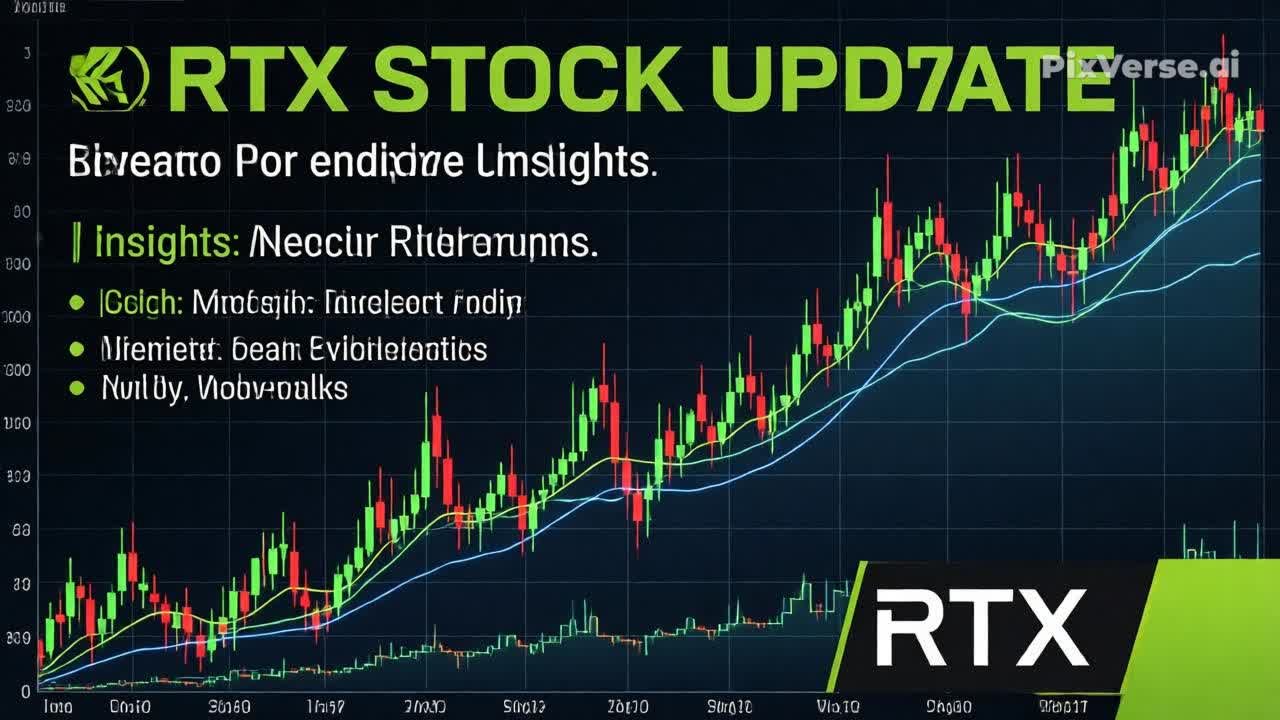
RTX has seen significant fluctuations in its stock price over recent months. As of late 2023, RTX’s stock is trading approximately 15% lower than its March peaks. This decline can be attributed to various factors, including global economic conditions, investor sentiment, and fluctuations in defense budgets.
Key Drivers of Recent Stock Performance
-
Global Economic Conditions:
The broader economic environment plays a critical role in RTX’s stock movements. Rising interest rates and inflationary pressures have affected market sentiment. Investors are increasingly cautious due to the persistent threat of recession, leading to sell-offs in sectors perceived as economically sensitive, including aerospace and defense. -
Defense Budget Constraints:
Discussions in Congress regarding potential cuts in defense spending have weighed heavily on RTX’s stock. As a defense contractor, anticipated decreases in military budgets could impact future contracts and revenue, leading investors to reconsider projected earnings. -
Supply Chain Challenges:
The lingering effects of the COVID-19 pandemic continue to disrupt global supply chains, significantly affecting manufacturing timelines and costs. RTX has reported difficulties in sourcing materials, which have impacted their production schedules. This development has frustrated investors concerned about the company’s ability to meet contract obligations.
Earnings Report Insights
RTX’s latest earnings report showed mixed results, with revenue slightly exceeding analyst expectations while earnings per share (EPS) fell short. The company reported $16.8 billion in revenue for Q3, representing a year-over-year increase of 5%. However, the EPS came in at $1.14, which was below the consensus estimate of $1.23.
Segment Performance
-
Aerospace Systems: This segment, focusing on commercial aviation, witnessed a solid revenue increase driven by a recovery in air travel. Increased demand for aircraft parts and systems as airlines ramp up operations contributed positively.
-
Defense Solutions: Growth in this segment has been slower due to delayed government contracts, but defense revenues still showed resilience amidst potential budget cuts.
Analyst Ratings and Price Target Adjustments
After the earnings report, analysts provided mixed reviews on RTX stock. Some analysts downgraded their ratings based on the uncertainty surrounding defense spending and supply chain challenges, while others maintained or even upgraded their ratings due to the long-term potential in aerospace and defense innovation.
-
Bullish Analysts: They point to the ongoing investments in advanced technologies like hypersonic weapons and UAM (Urban Air Mobility) as significant growth drivers that could compensate for near-term uncertainties.
-
Bearish Analysts: These investors emphasize the volatility in budget allocations and geopolitical tensions that could create downward pressure on stock performance.
Strategic Initiatives
To mitigate risks, RTX is focusing on cost control measures and streamlining operations. The company aims to harness digital technologies to improve efficiency and reduce overhead costs throughout its manufacturing processes. Furthermore, RTX has ramped up investments in sustainability, aligning with global trends and future defense contracts that prioritize eco-friendly technologies.
Technological Advancements
Technological innovation is at the heart of RTX’s strategy. Their commitment to R&D has led to breakthroughs in artificial intelligence, unmanned systems, and next-generation avionics. The company is also focused on expanding its capabilities in cybersecurity to safeguard military networks and systems, addressing a growing defense concern.
Dividend Payouts and Share Buyback Programs
RTX has a solid history of returning value to shareholders through dividends. The current dividend yield is approximately 2.5%, which, although modest, remains attractive in a volatile market. The company’s board has authorized a share buyback program, demonstrating a commitment to enhancing shareholder value and confidence in RTX’s long-term strategies.
International Market Dynamics
RTX’s global presence exposes it to international market fluctuations. Recent geopolitical events, including tensions in Eastern Europe and Asia, have led to increased defense spending in several countries, benefiting defense contractors.
However, geopolitical instability can also introduce risks, such as export controls and regulatory challenges that could hinder RTX’s market access.
Investor Sentiment and Stock Volatility
Investor sentiment around RTX has been mixed amid these complexities. Recent trends indicate a cautionary approach, with many long-term investors still holding, while others are looking for opportunities in potential price corrections. The volatility in RTX’s share price can reflect broader market movements but also investor anxieties about defense spending and economic slowdown.
Conclusion
The market movements surrounding RTX stock reflect a complex interplay of economic challenges, regulatory environments, and technological advancements. While there are growing concerns among investors regarding defense budgets and global economics, the company’s strategic initiatives and commitment to innovation suggest a forward-looking stance.
By monitoring these developments, investors can better understand RTX’s trajectory in a fluctuating market, establishing an informed approach for potential investment opportunities within one of the industry’s leading aerospace and defense firms.